
BIOPSIES
CEXCA – BIOPSIES
FINE NEEDLE ASPIRATION BIOPSY
BACAF is the initial diagnostic method for studying thyroid nodules or certain masses in the neck. The thyroid is a gland located at the front of the neck, just below the Adam's apple, and its function is to produce thyroid hormone, which aids in the body's metabolism.
It involves inserting a small needle into the nodule to obtain a sufficient amount of material to help determine whether the nodule is benign or malignant.
The procedure is performed on an outpatient basis and its diagnostic accuracy is greater than 95%. Local anesthetics are not necessary due to the thinness of the needle used. If the nodule is palpable or measures more than two centimeters, the procedure is performed directly by the surgeon. If the nodule is not palpable or measures less than 2 cm, the biopsy must be performed under ultrasound guidance.
The person lies on their back with their neck extended. The puncture site is sterilized with alcohol, and then the needle is inserted, moved in and out two or three times, and finally removed. Gentle pressure is applied to the site for two minutes.
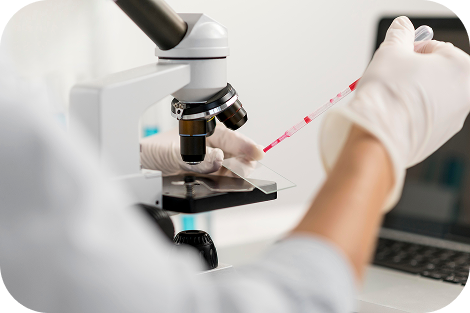
This procedure takes approximately one minute. Occasionally, a second puncture is necessary when it is not possible to obtain sufficient material.
No preparation is necessary. Most people report mild, short-lived pain. There is a very low risk of bruising, which can usually be treated with common painkillers and local measures.
The sample obtained is processed by an expert pathologist, which takes approximately two weeks. The result must be interpreted by a head and neck surgeon or an endocrinologist.
This procedure takes approximately one minute. Occasionally, a second puncture is necessary when it is not possible to obtain sufficient material.
No preparation is necessary. Most people report mild, short-lived pain. There is a very low risk of bruising, which can usually be treated with common painkillers and local measures.
The sample obtained is processed by an expert pathologist, which takes approximately two weeks. The result must be interpreted by a head and neck surgeon or an endocrinologist.
ORAL CAVITY BIOPSY
Open biopsy is the initial diagnostic method for examining masses in the mouth. It involves taking a small sample of the mass to obtain enough material to help determine whether the nodule is benign or malignant.
The procedure is performed on an outpatient basis and its diagnostic accuracy is greater than 95%. Usually, small amounts of topical anesthesia are used.
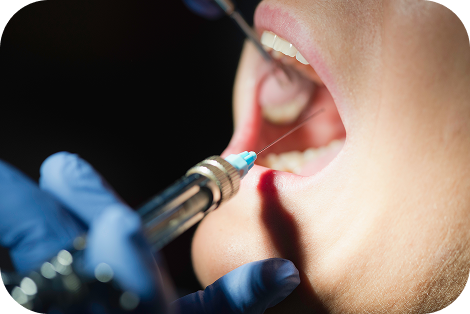
The person remains seated. The biopsy site is sterilized with an iodine solution and then topical anesthesia is applied and left to take effect for a few minutes. The sample is then taken with special biopsy forceps. You may feel pressure and a pulling sensation. Gentle pressure is applied to the site for two minutes to control bleeding. This procedure takes approximately one minute. It is usually necessary to perform a second and even a third biopsy during the same procedure to obtain sufficient material. After the biopsy, the patient will have a patch that may be painful and sensitive for a few days.
No preparation is necessary. Most people report mild, short-lived pain and minimal bleeding that can be controlled with pressure. There is a very low risk of bruising or infection, which can usually be treated with common painkillers, oral antibiotics, and local measures. The sample obtained is processed by an expert pathologist, which takes approximately two weeks. The result must be interpreted by a head and neck surgeon.
No preparation is necessary. Most people report mild, short-lived pain and minimal bleeding that can be controlled with pressure. There is a very low risk of bruising or infection, which can usually be treated with common painkillers, oral antibiotics, and local measures. The sample obtained is processed by an expert pathologist, which takes approximately two weeks. The result must be interpreted by a head and neck surgeon.